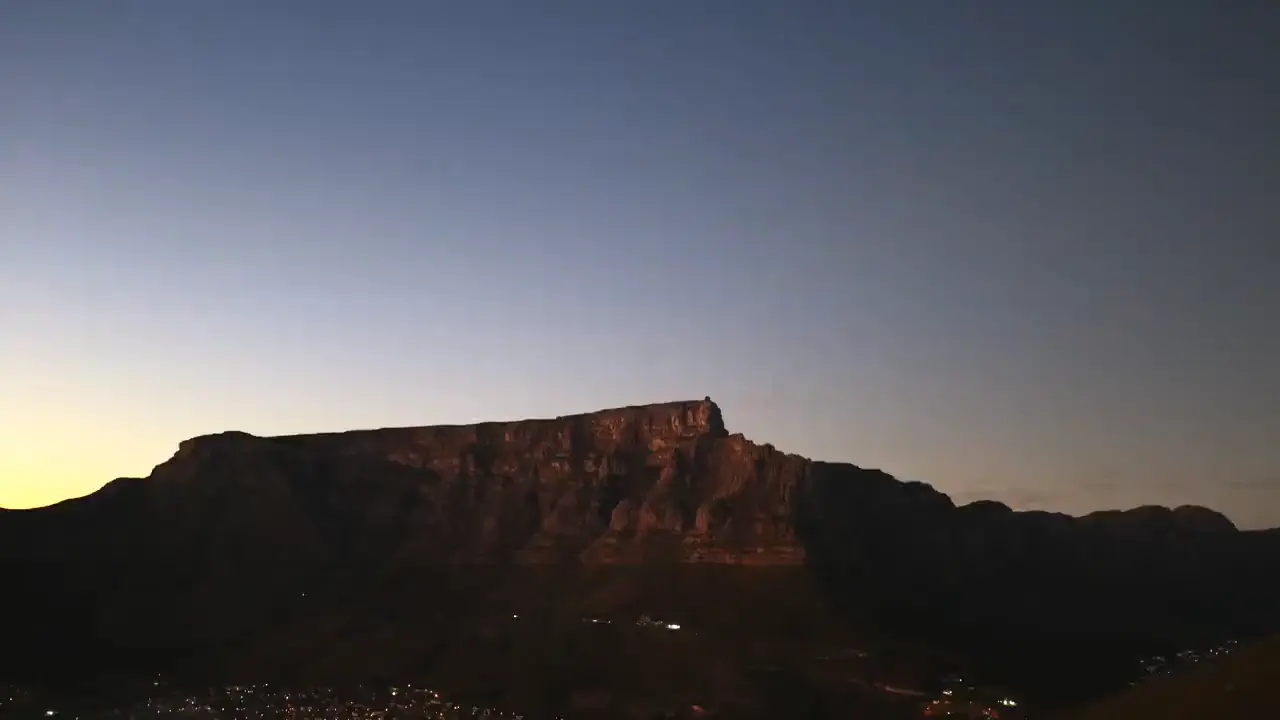
Know your terrain
Cape Town's trails and what they demand
Each of Cape Town's classic trail areas loads the body differently. Knowing what your local trails demand helps explain why certain injuries happen.
Table Mountain & Platteklip Gorge
Relentless rock steps, steep climbs and long, punishing descents
Loads: Calves, Achilles, quads and knees
Lion's Head & Signal Hill
Short, steep and rocky, with chains and ladders near the top
Loads: Ankles, calves and grip on uneven rock
Devil's Peak & the Contour Path
Technical, rocky and rooty singletrack with constant direction changes
Loads: Ankles, feet and balance
Newlands Forest
Shaded forest trails with roots, and slippery surfaces in winter
Loads: Ankles, and risk of slips and falls
Silvermine, Tokai & Constantiaberg
Mixed jeep track and singletrack with long, sustained climbs
Loads: Hips, hamstrings and overall training volume
Cape Town conditions add to the load
- Summer heat and the south-easter wind on exposed ridges
- Winter rain that makes sandstone and roots slippery
- Weather on the mountain that can change quickly
What we see
Common trail running injuries
Ankle sprains
Why: Rolling an ankle on rocks or roots, especially on technical descents.
Signs: Pain, swelling and bruising on the outside of the ankle; ankles that keep giving way.
Knee pain (runner's knee)
Why: Long, steep descents load the front of the knee and kneecap.
Signs: Pain around or behind the kneecap, worse going downhill, on stairs or after sitting.
ITB syndrome
Why: Repetitive bending of the knee on long descents and cambered trails.
Signs: Sharp pain on the outside of the knee that builds during a run, often at a predictable distance.
Achilles and calf problems
Why: Steep climbs and rock steps put large, repeated loads through the calf and Achilles.
Signs: Pain and morning stiffness at the back of the heel or calf; sudden calf pain mid-run.
Read the tendon guideHamstring and hip tendon pain
Why: Powering up steep climbs loads the hamstring and gluteal tendons.
Signs: Deep buttock pain near the sitting bone, or outer hip pain, especially uphill.
Read the tendon guidePlantar heel pain
Why: High mileage, hard or uneven surfaces and stiff or worn shoes.
Signs: Pain under the heel with the first steps in the morning.
Bone stress injuries
Why: Increasing distance and vertical gain too quickly, often in the build-up to a race.
Signs: Pain on a specific spot on a bone (commonly the shin or foot) that worsens with running, and may ache at rest or at night. Don't run through this.
Falls and head knocks
Why: Trips and slips on technical or wet terrain.
Signs: Wrist, hand and knee injuries, cuts and grazes — and concussion if you hit your head.
Read the concussion guide
Prevention
Reducing your risk on the mountain
Build vertical gain gradually
Increase either distance or climbing in a week, not both at once, and include easier recovery weeks.
Train for the downhills
Practise descending regularly, and build quad and calf strength so they can absorb the load of long descents.
Strength train year-round
Calf, quad, hip and core strength makes tendons, muscles and joints more resilient on the mountain.
Work on your ankles
Balance and ankle-strength exercises reduce the risk of sprains, especially after a previous sprain.
Use the right kit
Shoes with good grip for Cape Town's rock, and poles on long, steep climbs and descents if they suit you.
Respect the conditions
Plan for heat, wind and changing weather, carry enough water, and adjust your pace on wet or windy days.
Your recovery pathway
Getting you back on the mountain
- 1Diagnosis and medical management
Dr. Janesh Ganda
A full assessment of your injury, ultrasound or other imaging where needed, a clear diagnosis, and a plan for early treatment and a safe return to running.
- 2End-phase rehab and coaching
Brad Williams Sports Science
Once you are ready, strength training and running-specific coaching to rebuild capacity, prepare you for the demands of the mountain, and get you back to trail running and racing.
Both practices are at 55 Scott Road, Observatory, so moving from diagnosis to end-phase rehab is simple.
Rehab partnerBrad Williams Sports ScienceEnd-phase rehabilitation and coaching for runners, at 55 Scott Road, Observatory.Offers:AssessmentStrength trainingRunning programmesOnline coachingSports massageVisit Brad Williams Sports ScienceGetting help
When to see a sports physician
Book an assessment if you have:
- Pain that changes the way you run, or that is getting worse rather than better
- Pain on a specific spot on a bone, especially if it aches at rest or at night
- An ankle sprain where you cannot put weight on the foot, or ankles that keep giving way
- Pain that has not settled after 1–2 weeks of reduced running
- You are building towards a race and an injury is threatening your training
Questions
Trail running injuries: frequently asked questions
Should I run through pain?
Mild discomfort that settles quickly can be acceptable for some problems, such as many tendon issues. Pain that changes how you run, keeps getting worse, or sits on a specific spot on a bone should not be run through — get it assessed.
Do I need to stop running completely?
Often not. Many trail running injuries can be managed by changing your running — flatter routes, shorter runs or less vertical — while you rehabilitate. Your plan will set out what is safe.
Do I need a scan for an ankle sprain?
Most ankle sprains do not need a scan. An X-ray may be needed if you cannot put weight on the foot or there is tenderness over specific bones. Ultrasound in clinic can help assess the ligaments.
When can I get back on the mountain?
It depends on the injury. Return is gradual: usually flatter, non-technical routes first, then climbs, and steep or technical descents last, once strength and confidence are back.
What is end-phase rehab?
The final stage of rehabilitation, where the focus moves from settling the injury to rebuilding strength, power and running-specific fitness so you can return to trails and racing with less risk of re-injury.
Where is the practice?
Dr. Janesh Ganda consults at 55 Scott Road, Observatory, Cape Town — the same building as Brad Williams Sports Science. Consultations can be booked via WhatsApp.