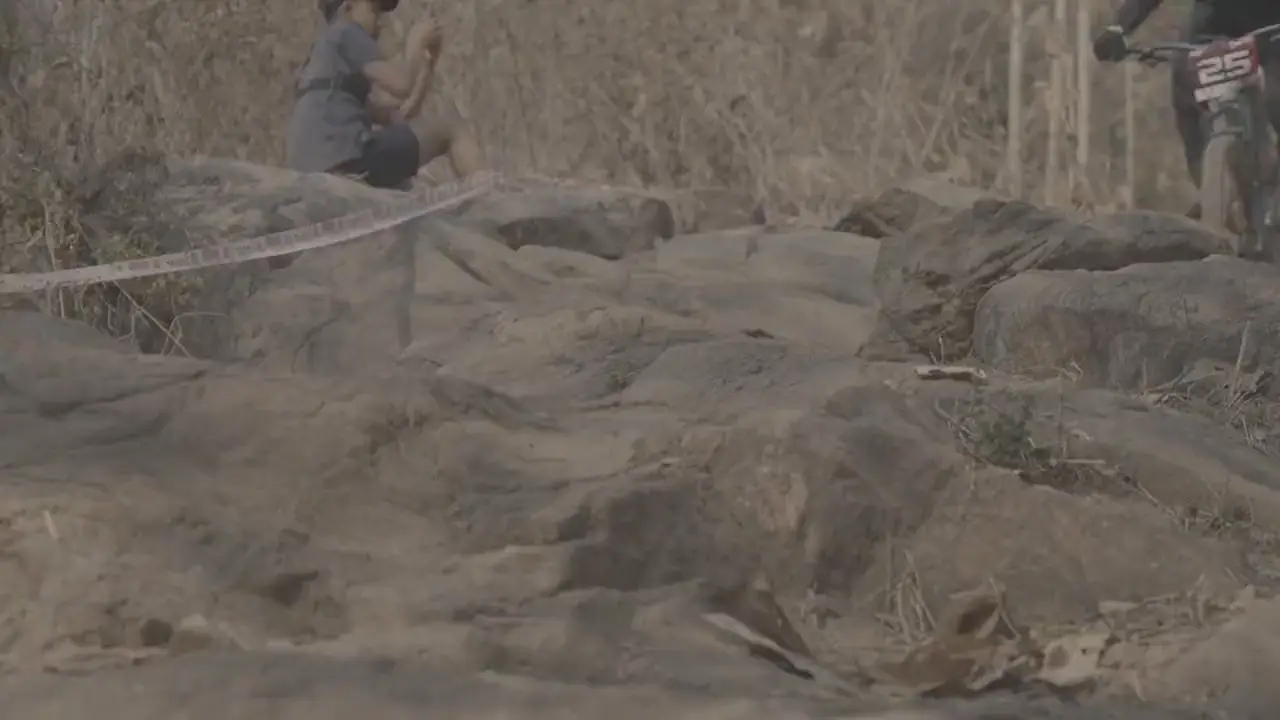
Know your riding
Riding in Cape Town and what it demands
Road riding and mountain biking load the body in very different ways — and Cape Town has plenty of both.
- Road · one day
Cape Town Cycle Tour
One of the world's biggest timed cycling events, looping the Peninsula with climbs including Chapman's Peak and Suikerbossie.
Demands: Long hours in the saddle, sustained climbing, and riding in tight bunches
- Mountain bike · multi-day stage race
Cape Epic
A gruelling stage race across the Western Cape, ridden in teams of two over rough, technical terrain day after day.
Demands: Accumulated fatigue, repeated impacts, and the risk of crashes when tired
- Road · training
Peninsula road climbs
Classic training routes over Chapman's Peak, Ou Kaapse Weg and Suikerbossie, with fast descents and coastal wind.
Demands: Knees, hips and lower back on long climbs; crash risk on descents and in wind
- Mountain bike · training
Trail parks and singletrack
Popular riding at places like Tokai, Durbanville's trail parks, and Stellenbosch and Jonkershoek.
Demands: Hands, wrists and shoulders over rough terrain; falls on technical sections
Cape Town conditions add their own risks
- The south-easter on exposed roads and ridges, especially in summer
- Loose, dry gravel and sand on summer trails, and slippery roots and rock when wet
- Busy roads and fast descents shared with traffic
What we see
Common cycling and mountain bike injuries
Knee pain
Why: Repetitive pedalling, often linked to saddle height or position, cleat set-up, or a sudden increase in hours or climbing.
Signs: Pain at the front, outside or inside of the knee that builds during or after rides.
Lower back pain
Why: Long hours in a flexed position, a bike set-up that doesn't suit you, or limited core and hip strength.
Signs: Aching in the lower back on longer rides or climbs, often easing off the bike.
Neck and shoulder pain
Why: Holding your head up in an aggressive riding position for long periods.
Signs: Aching or stiffness in the neck and upper shoulders on or after long rides.
Hand numbness and wrist pain
Why: Pressure on the nerves at the wrist from handlebar position, grip or rough terrain.
Signs: Tingling or numbness in the fingers, or weak grip, during or after riding.
Saddle and foot problems
Why: Saddle pressure, shoe fit and cleat position over long hours.
Signs: Saddle discomfort, numbness, or burning and numbness in the feet.
Collarbone and shoulder injuries
Why: Falling onto the shoulder or an outstretched arm in a crash.
Signs: Pain, swelling or a bump over the collarbone or the top of the shoulder, and difficulty lifting the arm.
Wrist and hand fractures
Why: Falling onto an outstretched hand — common in mountain bike crashes.
Signs: Wrist pain, especially at the base of the thumb, after a fall. Some wrist fractures are easy to miss, so get it checked.
Head injuries
Why: Any crash where your head or helmet hits the ground.
Signs: Headache, dizziness, feeling foggy or not yourself — even if you didn't lose consciousness.
Read the concussion guide
Prevention
Reducing your risk on the bike
Get a professional bike fit
Saddle height and position, cleats and reach affect knees, back, neck and hands — especially after a new bike, new shoes or an injury.
Build hours and climbing gradually
Increase riding time steadily ahead of big events, and include easier weeks to recover.
Strength train off the bike
Hip, core, back and upper-body strength protects against overuse injuries and helps you ride rough terrain with control.
Look after your bones
Cycling is low impact, so it does little to build bone. Strength training and some impact exercise help keep bones strong — important if you do crash.
Ride within your skills
Skills coaching for technical trails, and backing off on tired legs or in strong wind, reduces crash risk.
Wear and replace your helmet
Always ride with a helmet that fits, and replace it after any crash where it took an impact.
Your recovery pathway
Getting you back on the bike
- 1Diagnosis and medical management
Dr. Janesh Ganda
A full assessment of your injury, X-ray, ultrasound or other imaging where needed, a clear diagnosis, and a plan for early treatment and a safe return to riding.
- 2End-phase rehab and coaching
Brad Williams Sports Science
Once you are ready, strength training and rehab to rebuild capacity and prepare you for the demands of road riding or mountain biking — with experience from the Cape Epic.
Both practices are at 55 Scott Road, Observatory, so moving from diagnosis to end-phase rehab is simple.
Rehab partnerBrad Williams Sports ScienceEnd-phase rehabilitation, strength training and coaching, with mountain biking experience including regular work at the Cape Epic. At 55 Scott Road, Observatory.Offers:AssessmentStrength trainingRunning programmesOnline coachingSports massageVisit Brad Williams Sports ScienceGetting help
When to see a sports physician
Book an assessment if you have:
- Any crash where you hit your head, even if you feel fine
- Pain over the collarbone, shoulder or wrist after a fall — especially at the base of the thumb
- Numbness or tingling in the hands or feet that doesn't settle off the bike
- Knee or back pain that keeps coming back or is getting worse
- An injury that is threatening your preparation for a big event
Questions
Cycling injuries: frequently asked questions
Do I need an X-ray after falling onto my hand?
If you have wrist pain after a fall — especially at the base of the thumb — it's worth getting it assessed. Some wrist fractures don't show clearly at first and can cause problems if they are missed.
Will a bike fit fix my knee or back pain?
Often it is an important part of the answer, but not always the whole answer. Getting the diagnosis right comes first, and strength and training load usually matter too.
Can I keep riding with an injury?
Sometimes. Many overuse injuries can be managed by changing your riding — shorter rides, less climbing or more time on the indoor trainer — while you rehabilitate. Your plan will set out what is safe.
When can I ride again after a collarbone fracture?
It depends on the fracture and how it is treated. Riding on an indoor trainer often comes before road riding, and mountain biking — with its higher fall risk — usually comes last.
Should I replace my helmet after a crash?
Yes, if it took an impact — even if it looks undamaged. Helmets are designed to protect you once.
Where is the practice?
Dr. Janesh Ganda consults at 55 Scott Road, Observatory, Cape Town — the same building as Brad Williams Sports Science. Consultations can be booked via WhatsApp.